How to Choose the Right Aftershave
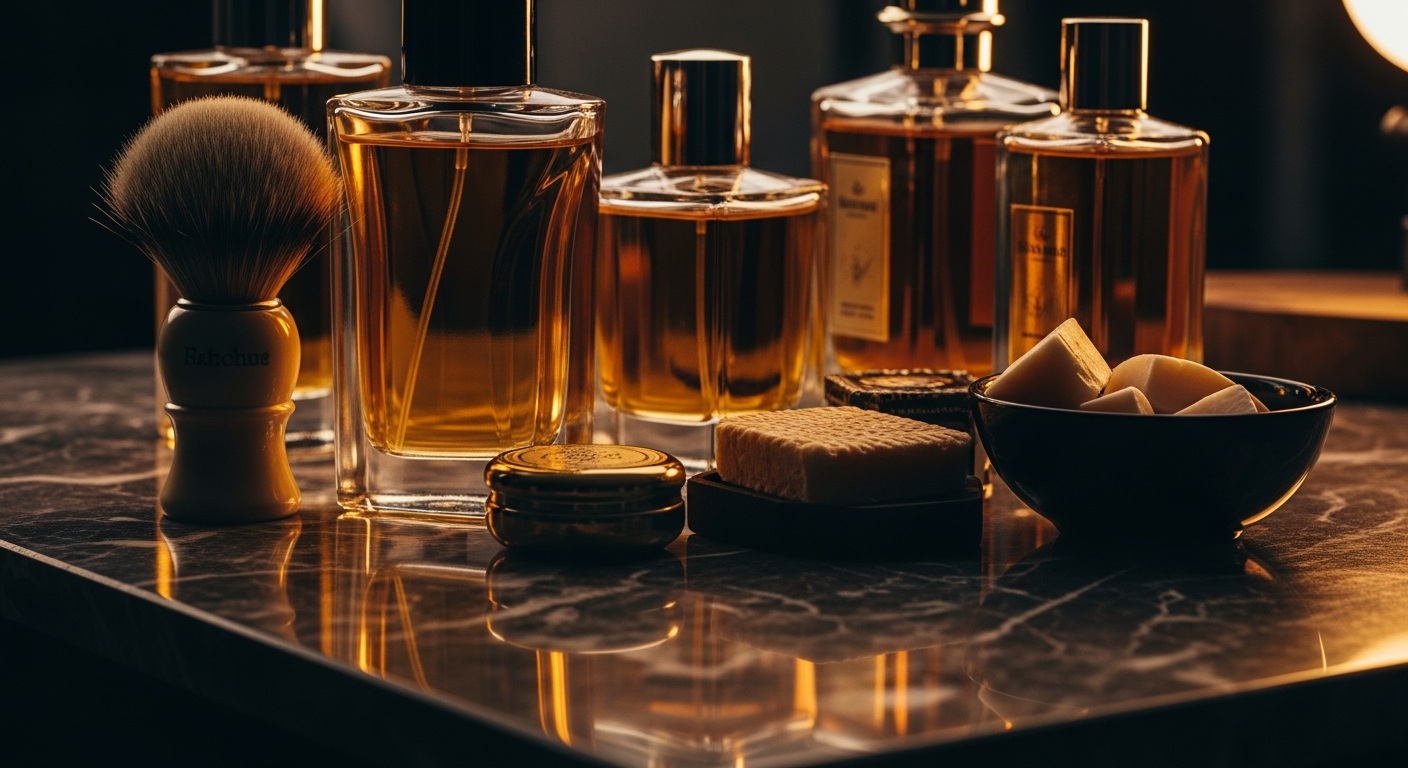
Aftershave is not an afterthought. The right formula protects your skin, controls shine, and leaves a scent that stays in the room without announcing your arrival from down the corridor.
Know Your Skin First
Oily skin needs an alcohol-based splash — it tightens pores and controls sebum. Dry or sensitive skin calls for a balm or milk, which replaces moisture instead of stripping it. Combination skin does well with an alcohol-free toner: astringent enough to calm redness, gentle enough not to flake.
Splash, Balm, or Oil — What They Actually Do
Alcohol splashes close the razor's micro-cuts in seconds and deliver fragrance cleanly. The trade-off is a brief sting and some dryness. Balms skip the alcohol and layer in glycerin or shea — ideal if you shave daily. Aftershave oils, usually jojoba or argan based, are the most nourishing but the slowest to absorb; use them on rest days.
Fragrance: Layering, Not Stacking
Your aftershave should complement your cologne, not compete with it. The safest approach: keep the aftershave unscented or choose one from the same fragrance family as your daily scent. If you wear a woody cologne, a cedar or sandalwood splash sits underneath it without clashing. Apply cologne on dry skin two minutes after the aftershave has settled.
"A good aftershave should work quietly — it closes the shave, feeds the skin, and disappears beneath whatever scent you choose to wear."
— Art of Grooming, Dubai
One Rule for the Chair
Always ask your barber what he just applied. A professional shave uses pre-shave oil, a hot-towel steam, and a specific post-shave formula tuned to your skin. Understanding that sequence at home is worth more than any single product.